
System Design
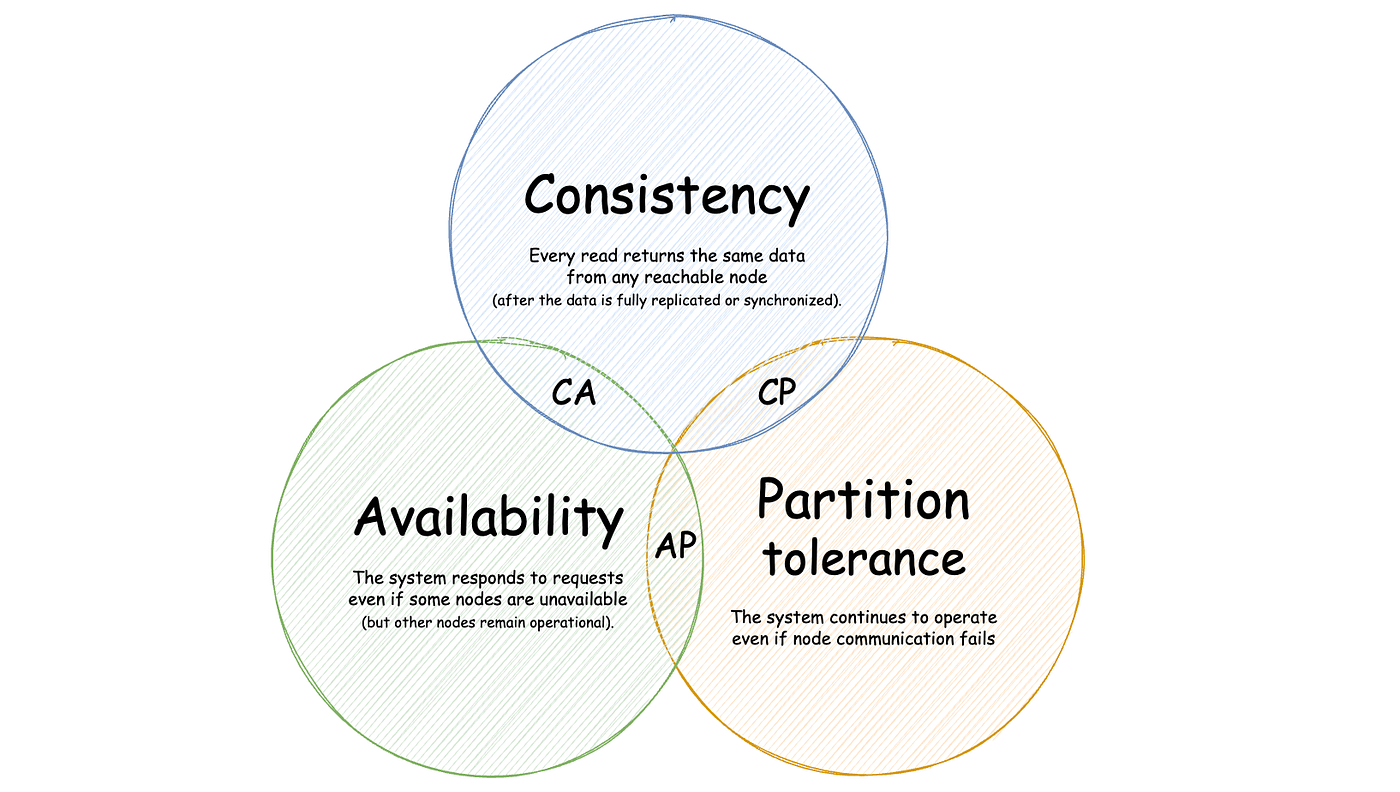
CAP Theorem Explained: Choosing Between Consistency and Availability
The CAP theorem states that distributed systems can only guarantee two out of three properties: Consistency, Availability, and Partition Tolerance. In practice, network partitions are unavoidable, so system designers must decide whether to prioritize Consistency or Availability based on real-world use cases.

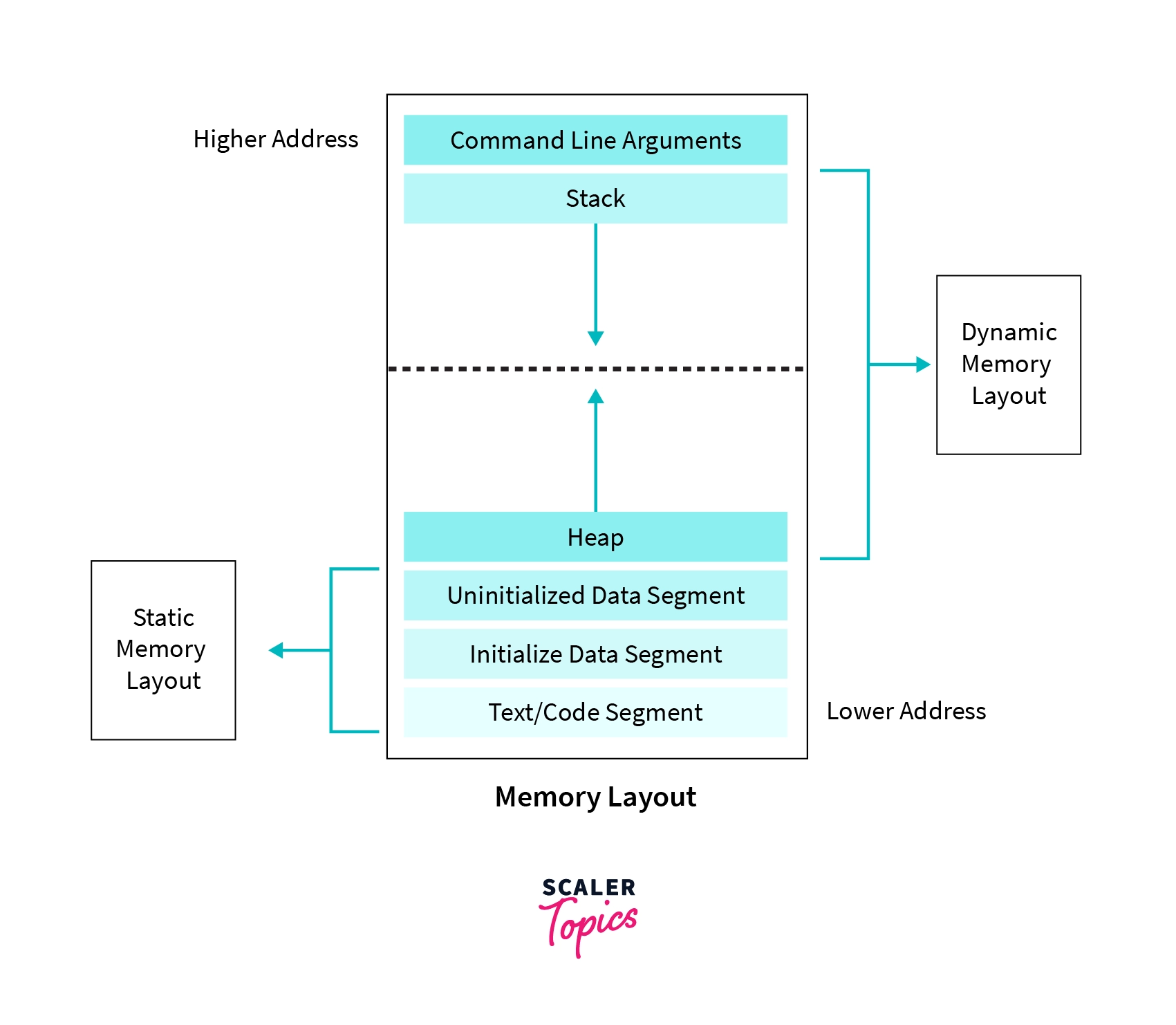
Understanding Virtual Memory: How OS Manages Memory Efficiently
A comprehensive guide to virtual memory: how it works, why it exists, and how operating systems manage paging, page tables, and memory efficiently.
OS Fundamentals: Program, Process, and Thread Simplified
Learn the differences between a program, a process, and a thread, and how they work together inside an operating system.
Previous posts

Redis Concepts and Core Features Explained in Detail
By Nam Pham7 min read
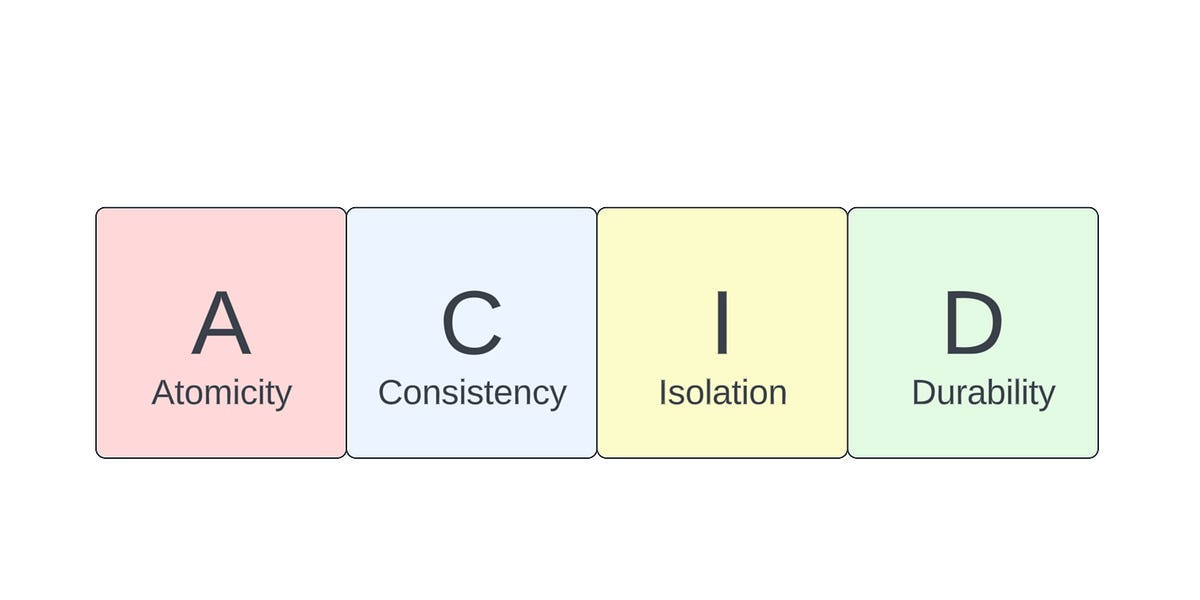
What is ACID in MySQL
By Nam Pham5 min read

Two Sum - Optimal Solution Explained
By Nam Pham5 min read